
JAVARI  JAVARI JAVARI JAVARI JAVARI JAVARI JAVARI JAVARI JAVARI JAVARI JAVARI JAVARI JAVARI JAVARI







OBJECTIVES
LINES OF ACTION
SCOPE
ETHNIC GROUPS
PARTNERS
PHOTOS
NEWS
OBJECTIVES
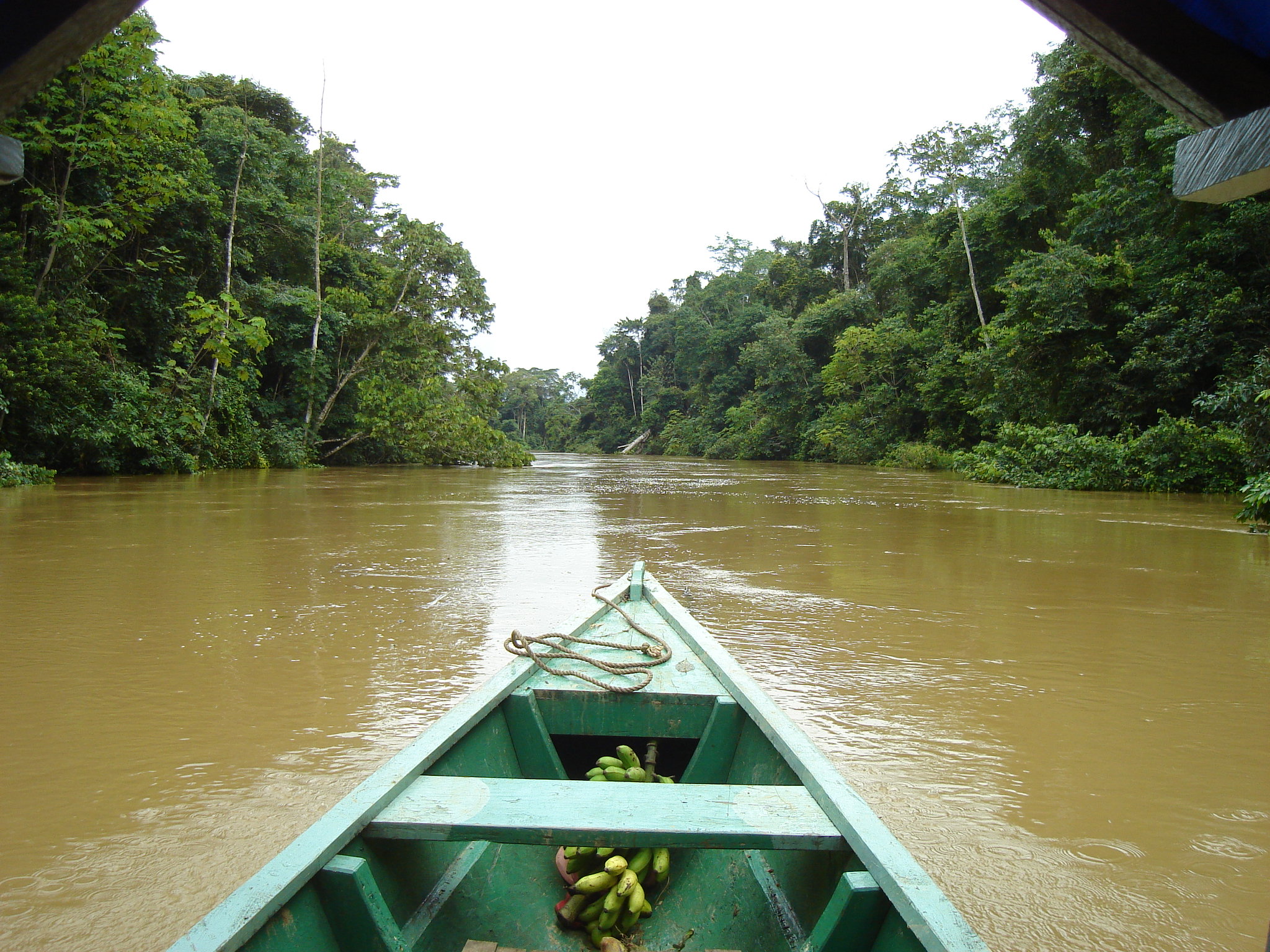
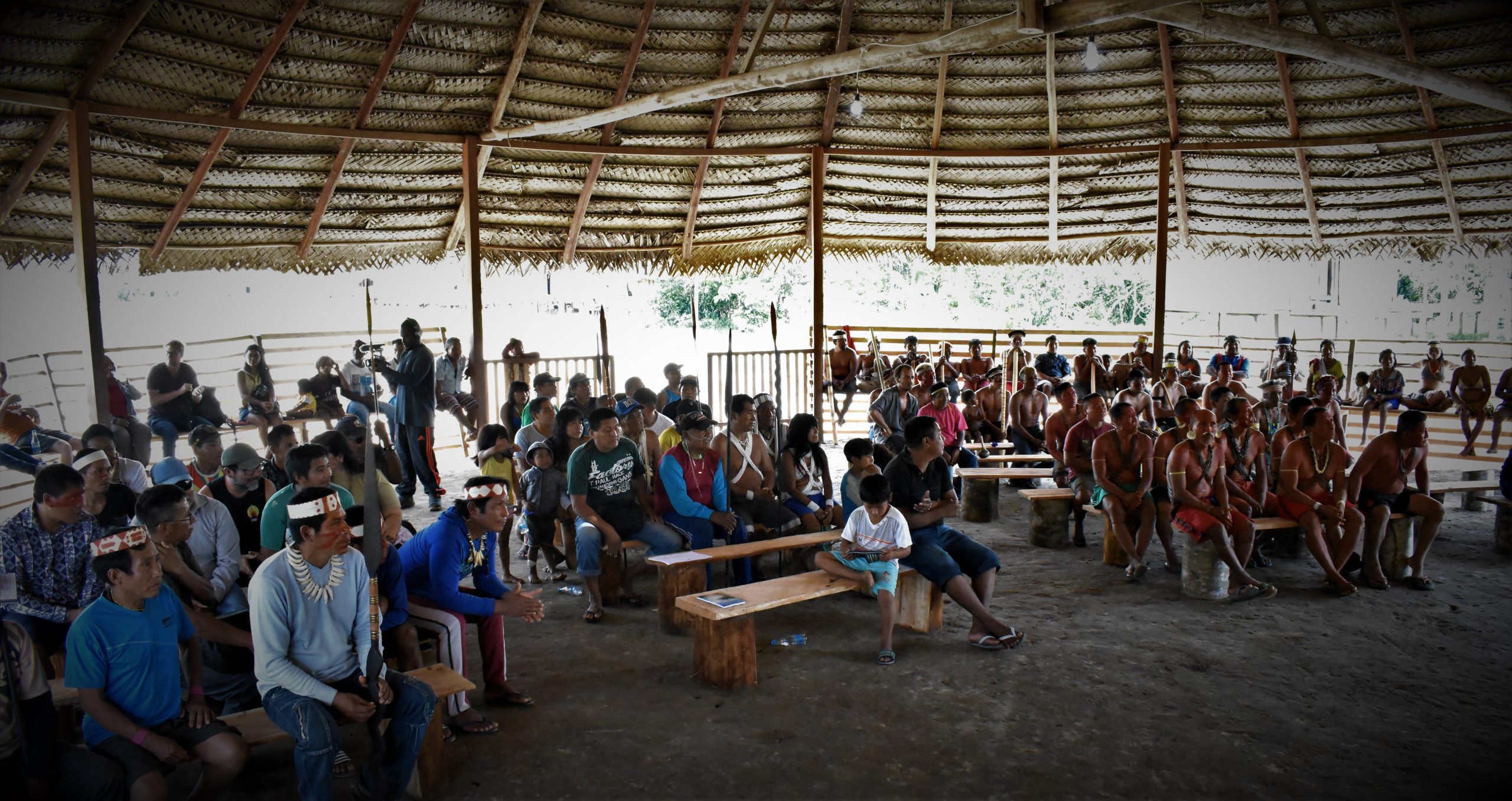
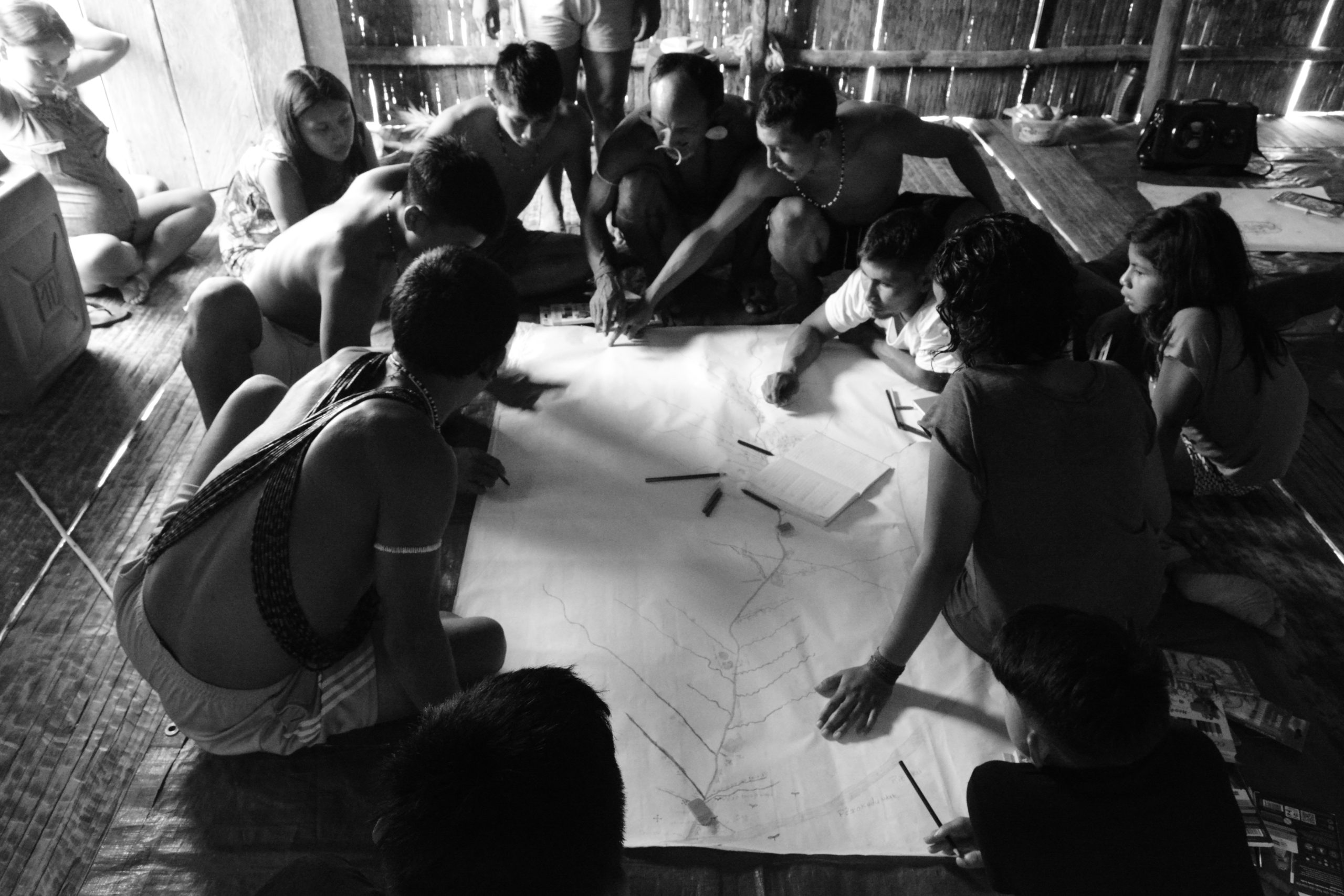
CTI has been working with the indigenous peoples of the Vale do Javari Indigenous Land for over 20 years. Initially (1999–2001), its actions aimed at the ethno-environmental protection of the territory, in partnership with FUNAI, focusing on setting up surveillance posts at strategic points. In 2002, the Javari Program was officially established, which marked the beginning of a series of agendas and projects built in partnership with local indigenous peoples and organizations. Its primary objective is to guarantee the territorial integrity of this indigenous land and the exclusive use of its natural resources by the Marubo, Mayuruna (Matsés), Matis, Kulina-Pano, and Kanamari peoples. Projects and actions have been carried out to strengthen their identities, languages, ways of life, and traditional forms of territorial management and social and political organization. This work is developed directly alongside the communities living in the territory, and it’s organized across four core pillars:


OBJECTIVES
LINES OF ACTION
SCOPE
ETHNIC GROUPS
PARTNERS
PHOTOS
NEWS
Territorial and Environmental Management
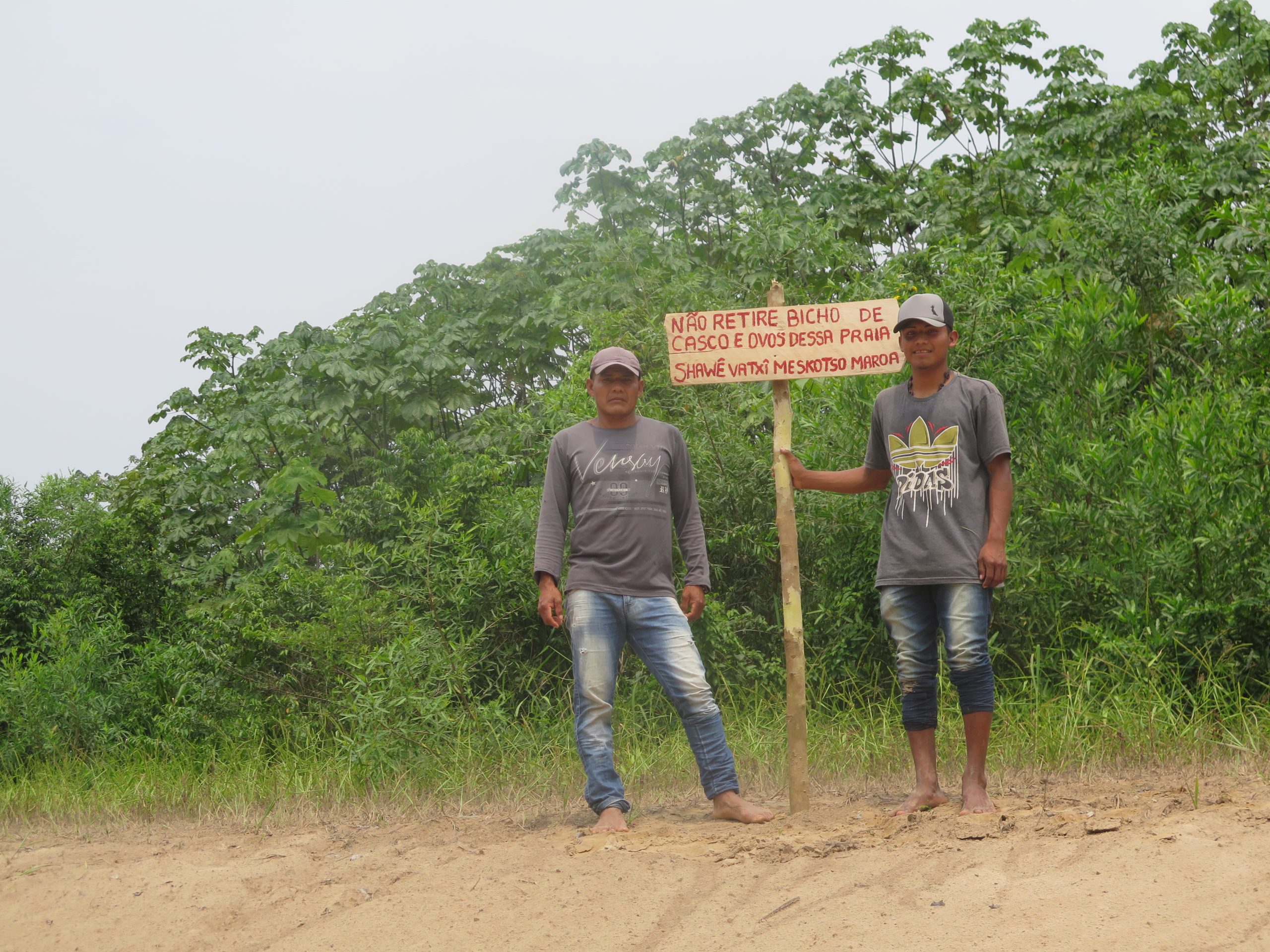
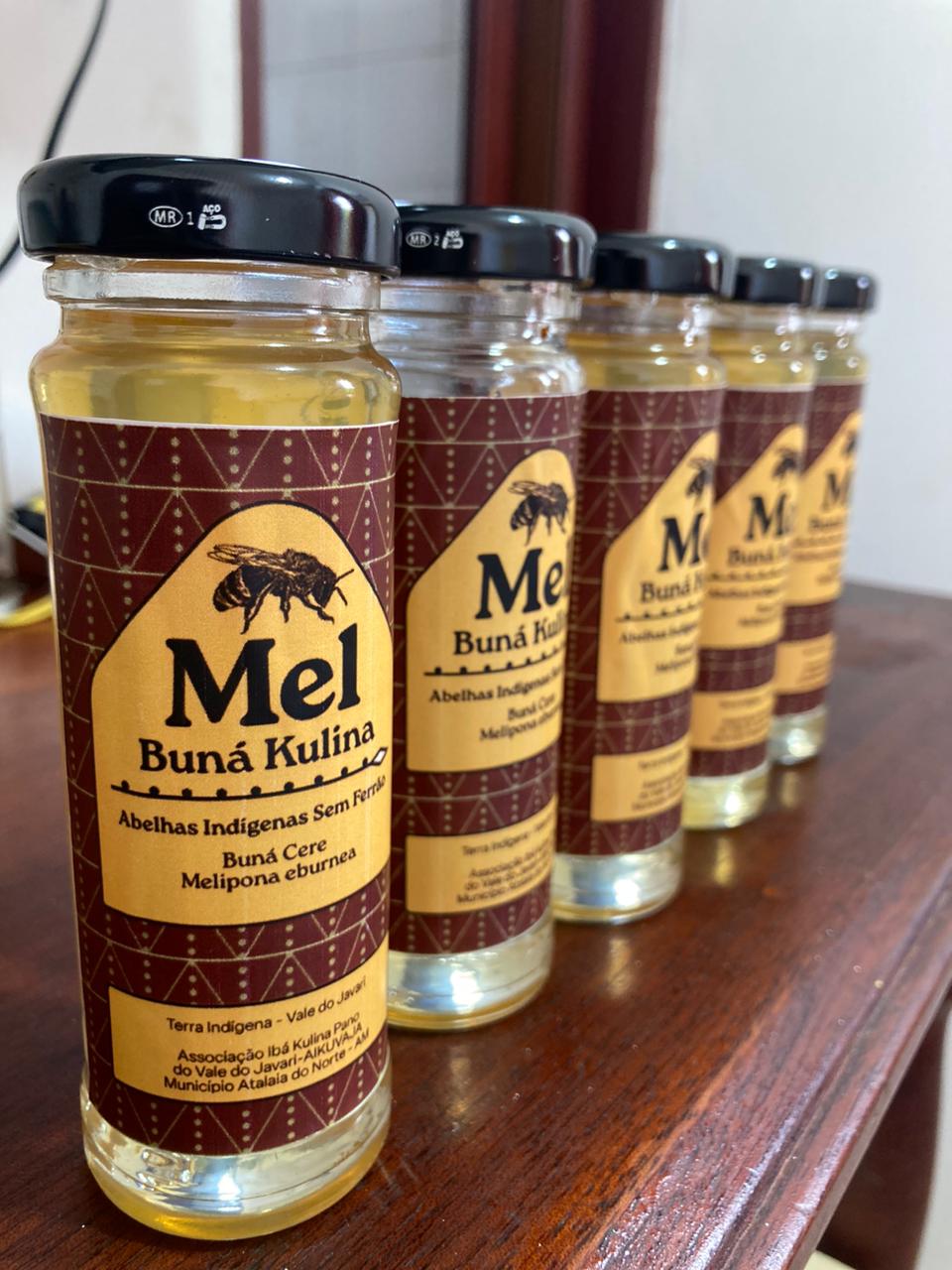
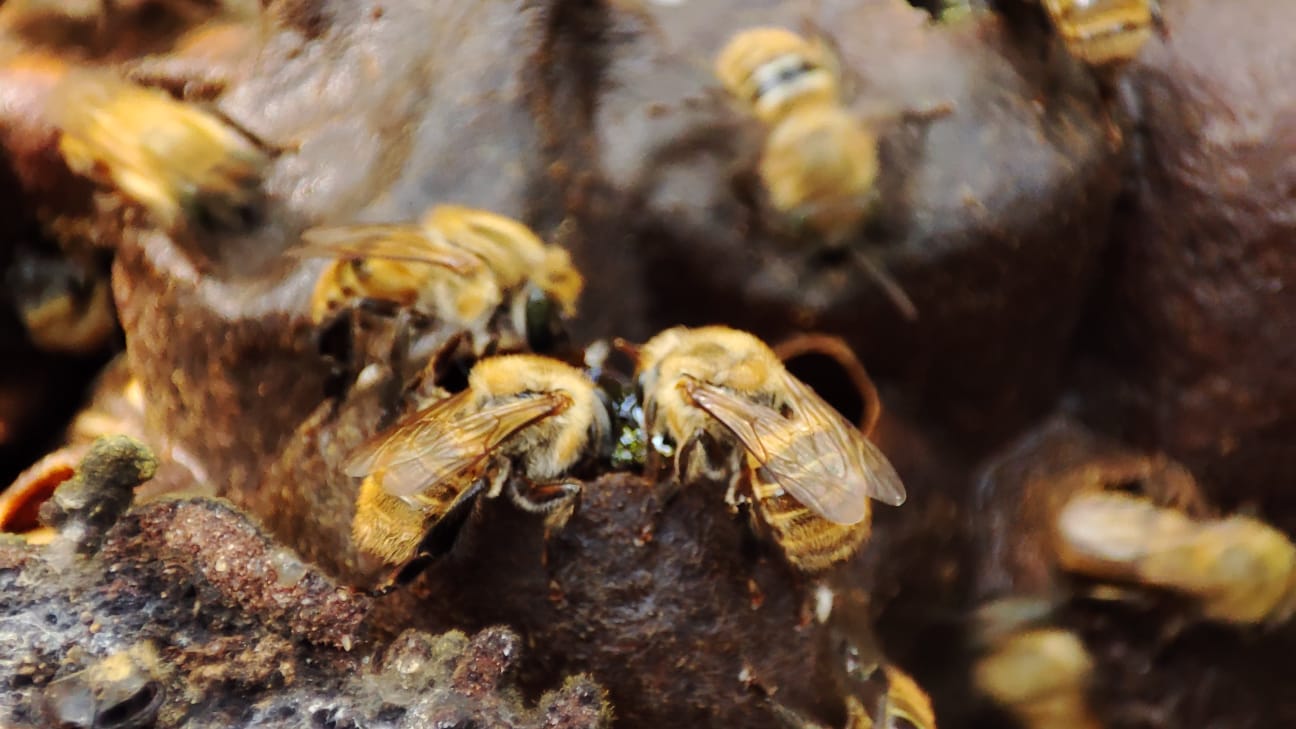
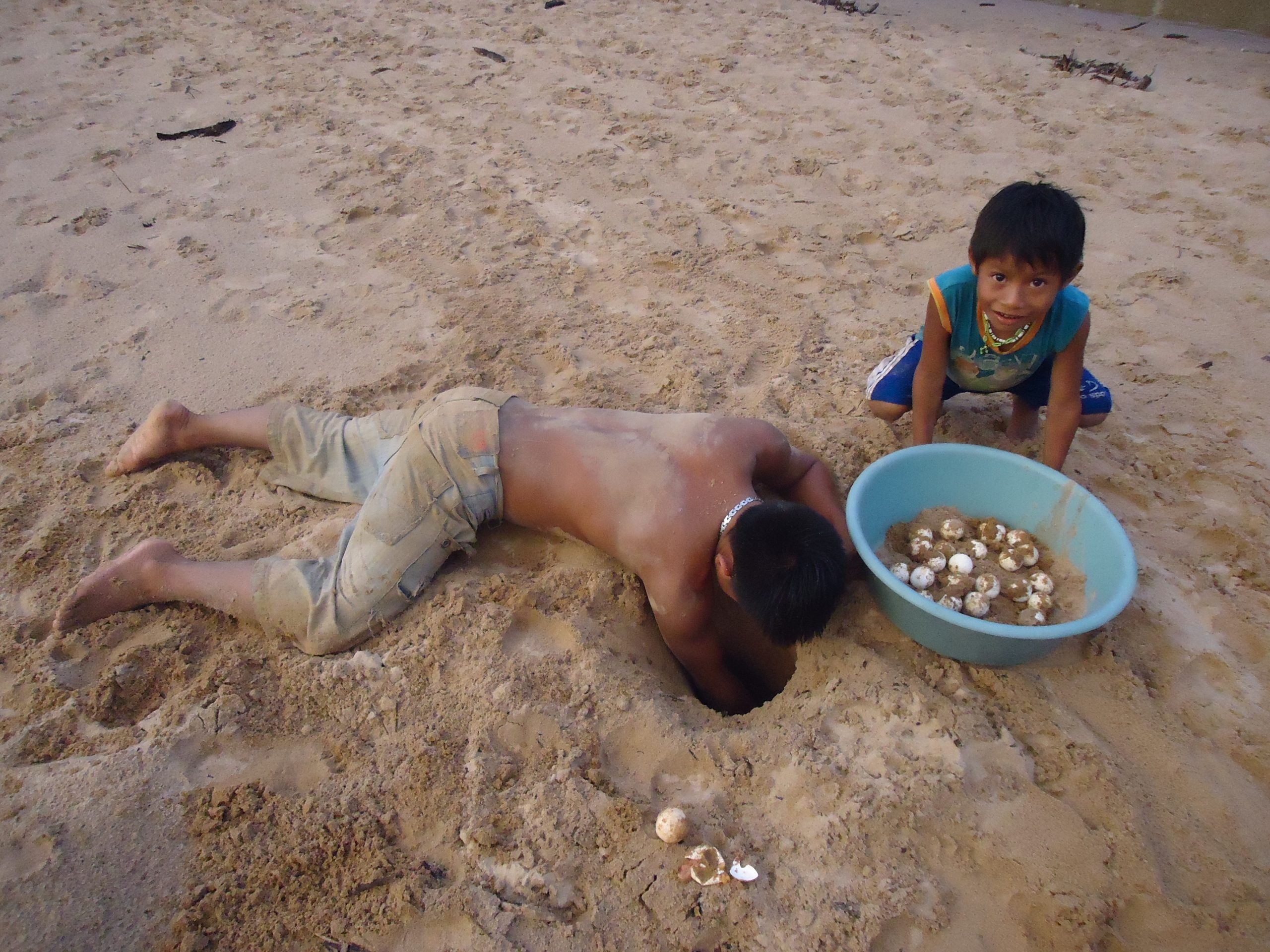
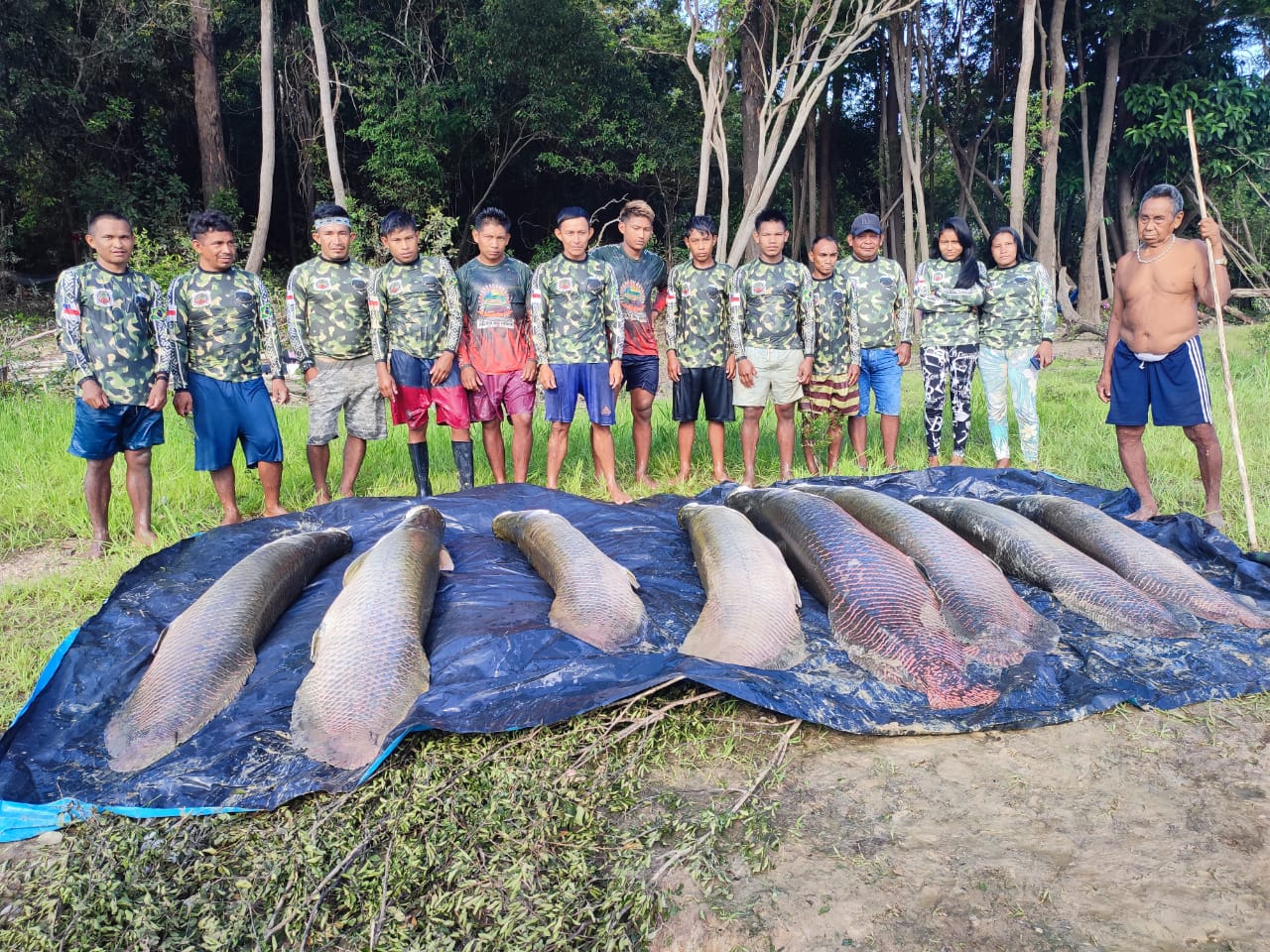
Implementation of the actions set up by the Vale do Javari Indigenous Land’s Territorial and Environmental Management Plan (PGTA), supporting initiatives for sustainable management and conservation of natural resources. Actions include projects focused on the management of turtles, pirarucu, meliponiculture, and training for Indigenous Environmental Agents, as well as building up local leadership and support for drafting community agreements on territorial and environmental management, and strengthening the transmission and appreciation of traditional knowledge.
Strengthening Indigenous Organizations
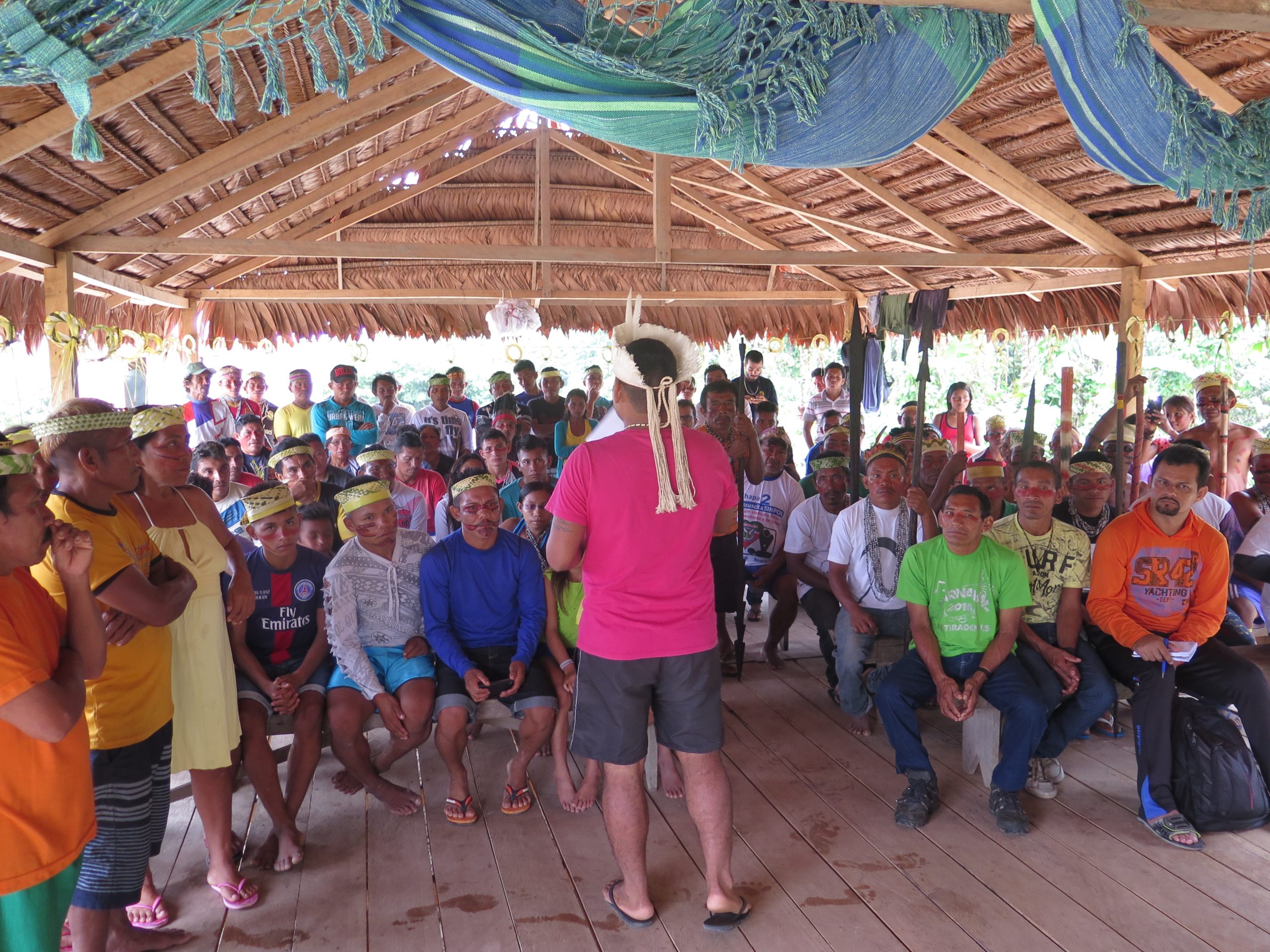
Providing technical and political advisory to local indigenous organizations by supporting administrative management; assisting with political advocacy before government agencies; offering support for coordination between indigenous organizations and villages; besides encouraging and supporting participation in regional, national, and international networks and forums for the defense of their rights and territories.
LINES OF ACTION
Data production and promulgation about Vale do Javari
Monitoring and tracking threats to the sociocultural and environmental integrity of the Vale do Javari Indigenous Land, by way of producing and disseminating qualified information about the region and its peoples, while supporting the creation of printed and audiovisual contents that document and highlight the territorial and environmental management experiences being carried out.
Strengthening the appreciation of cultural references and traditional knowledge
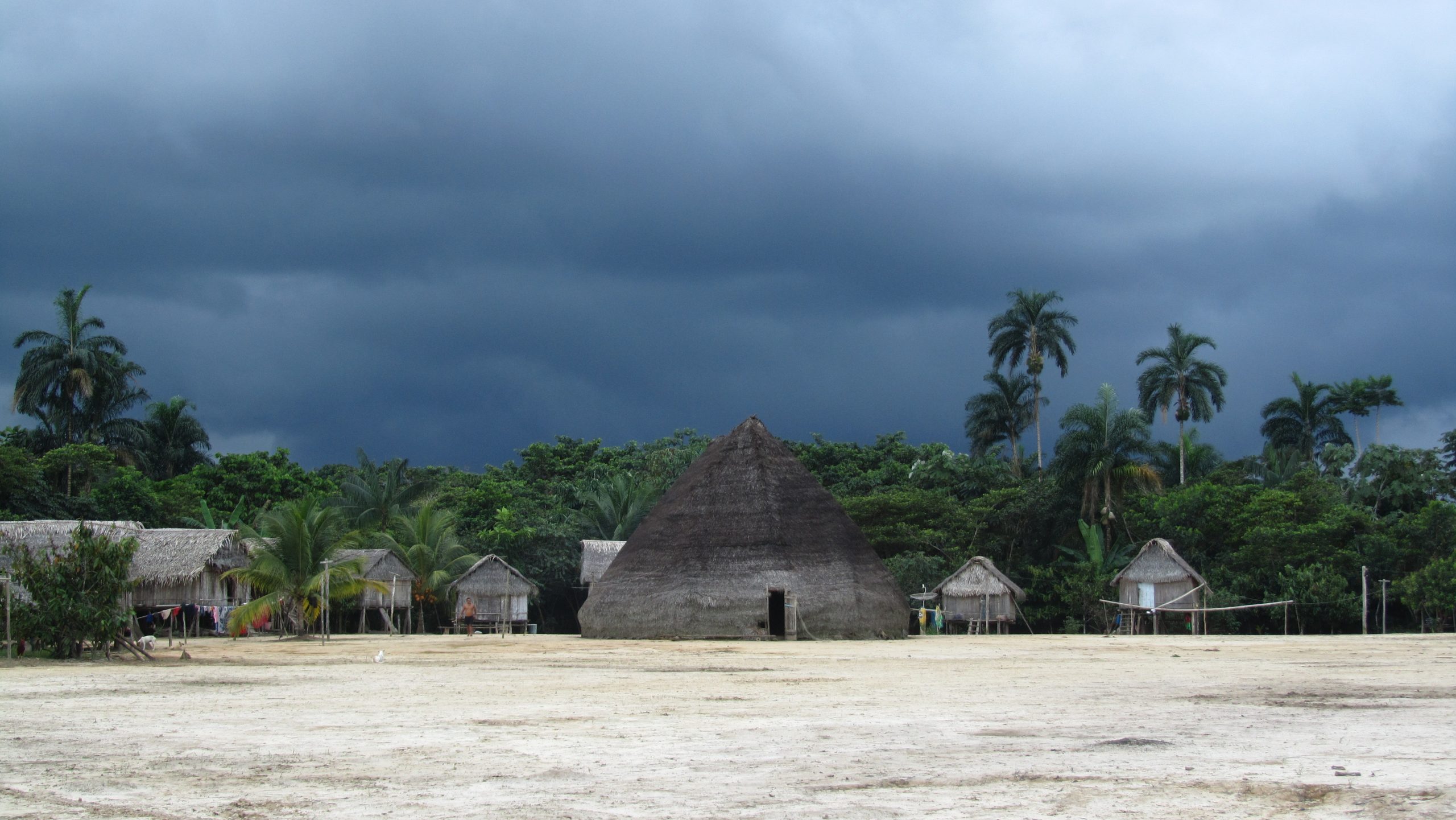
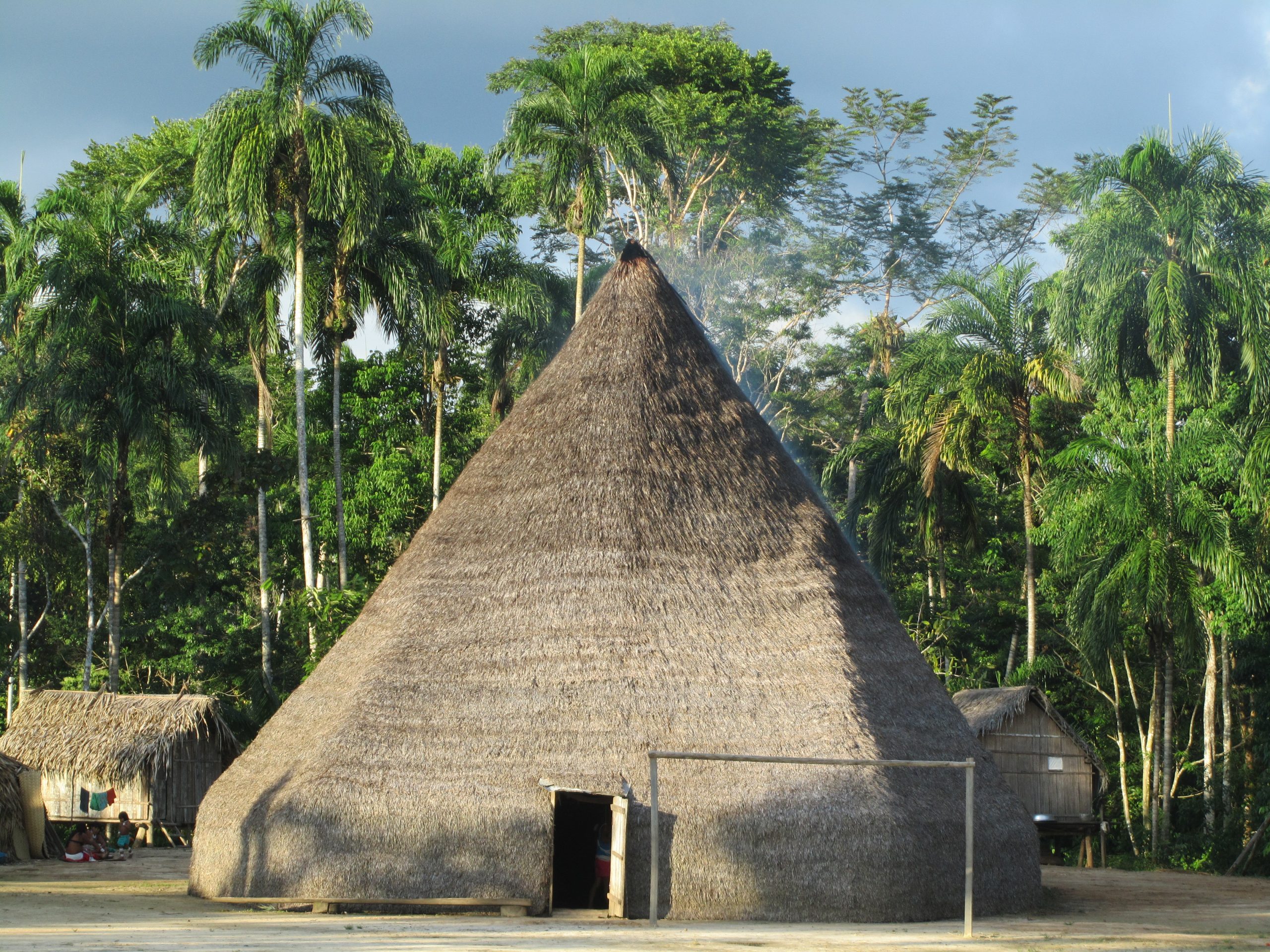
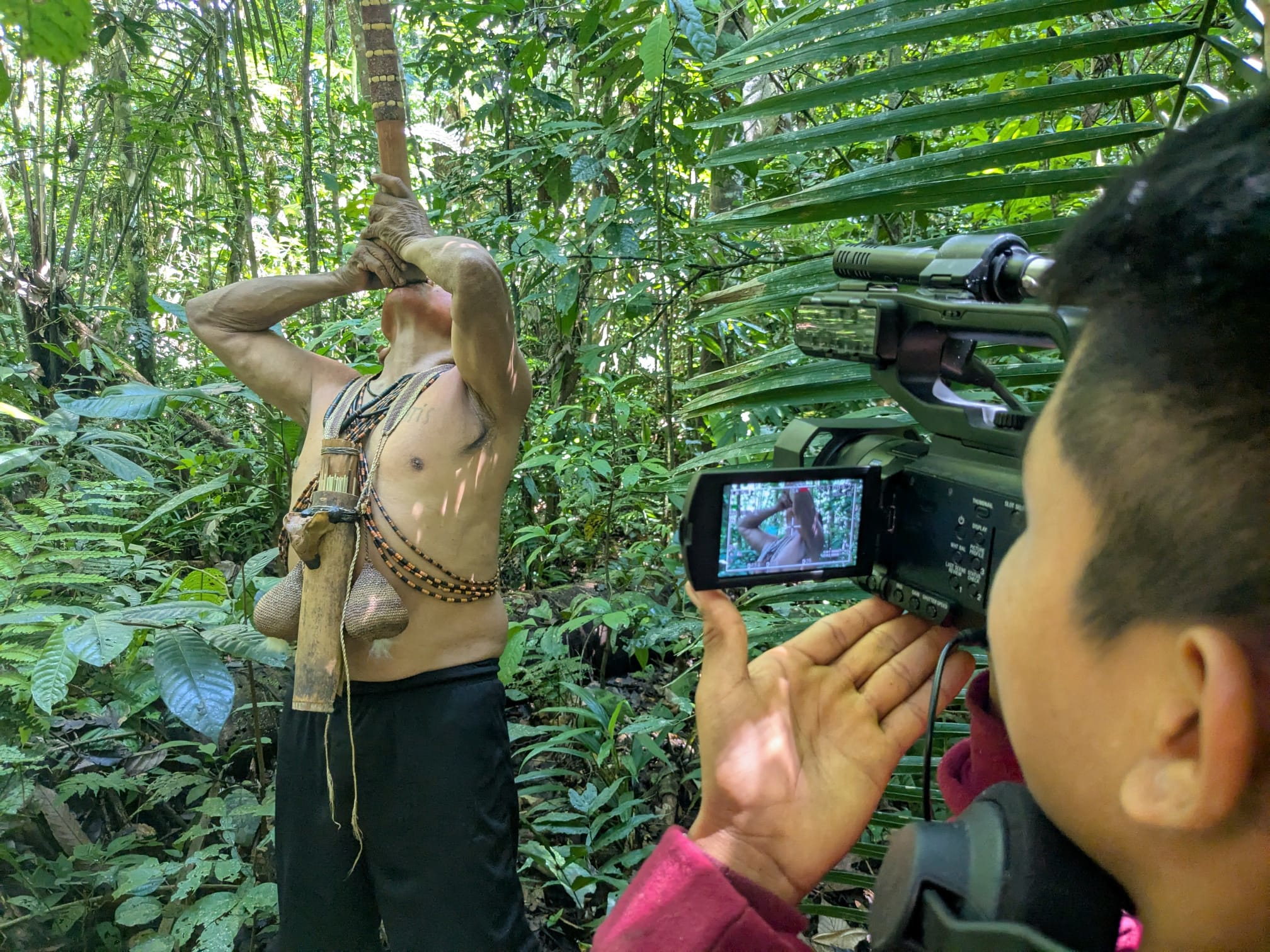
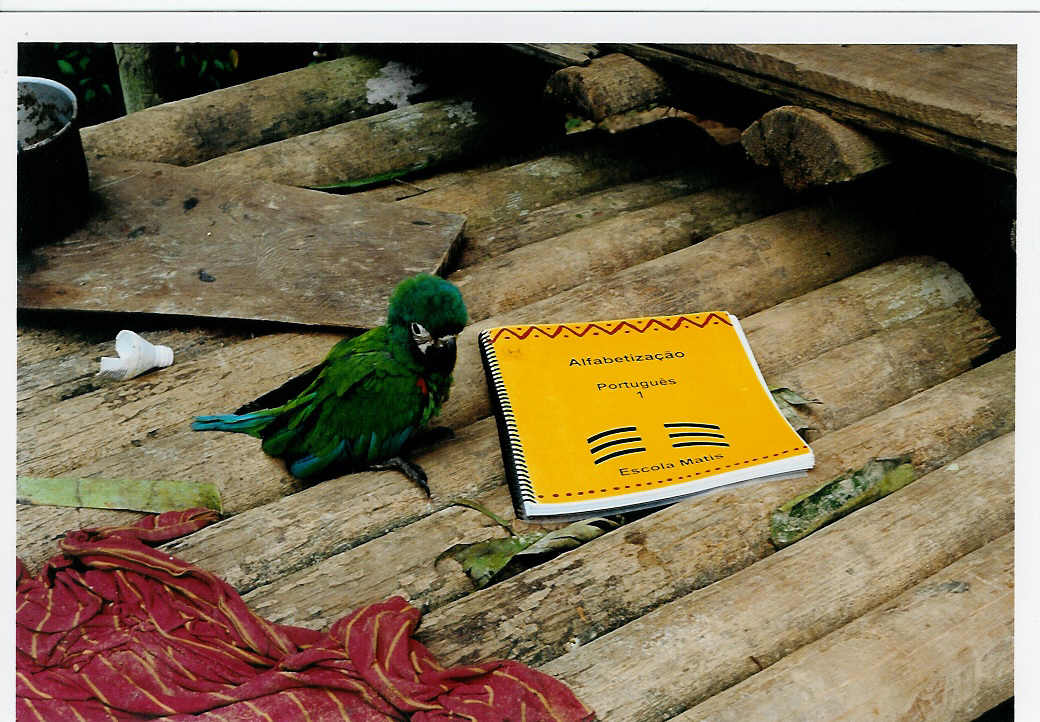
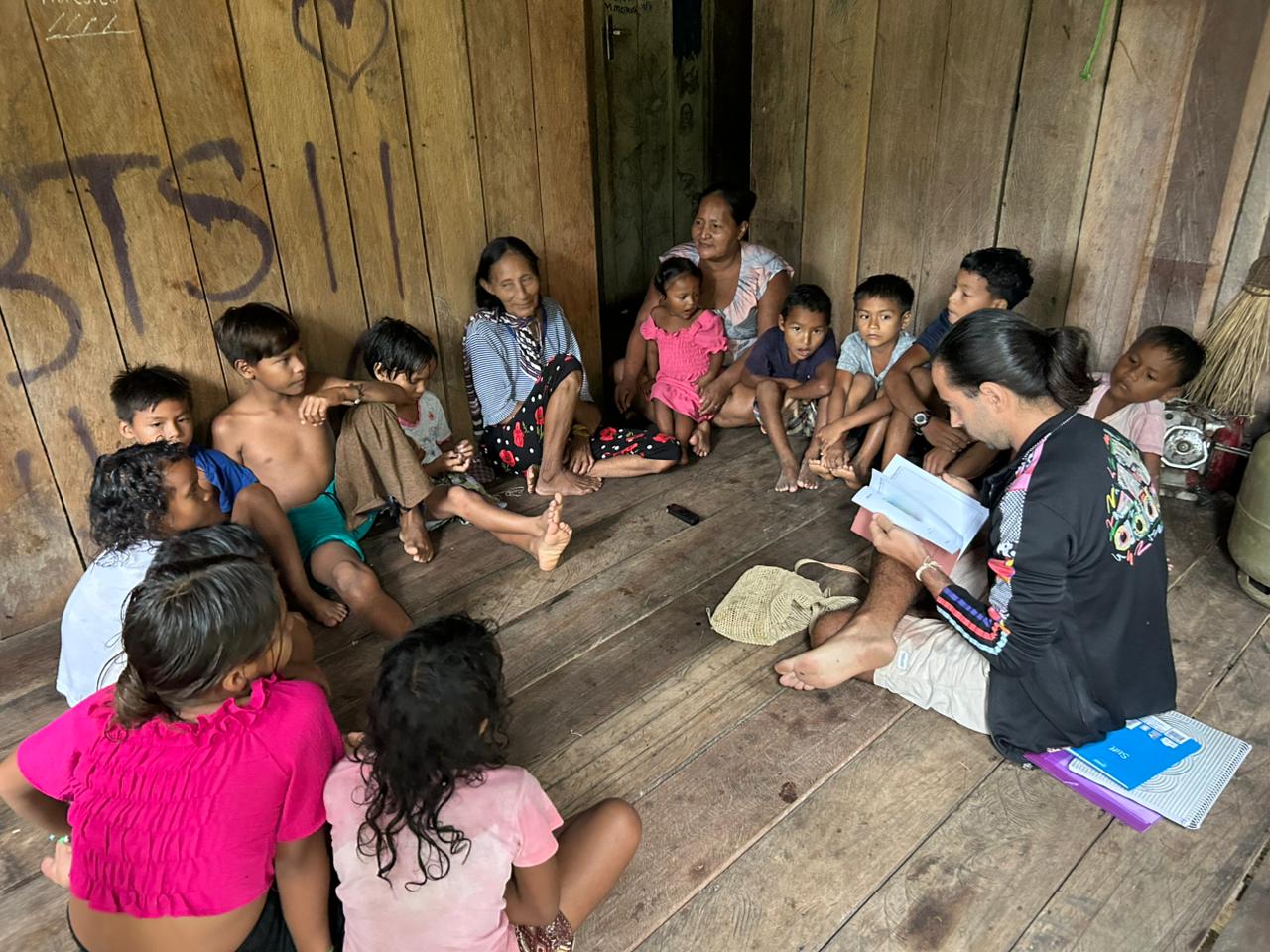
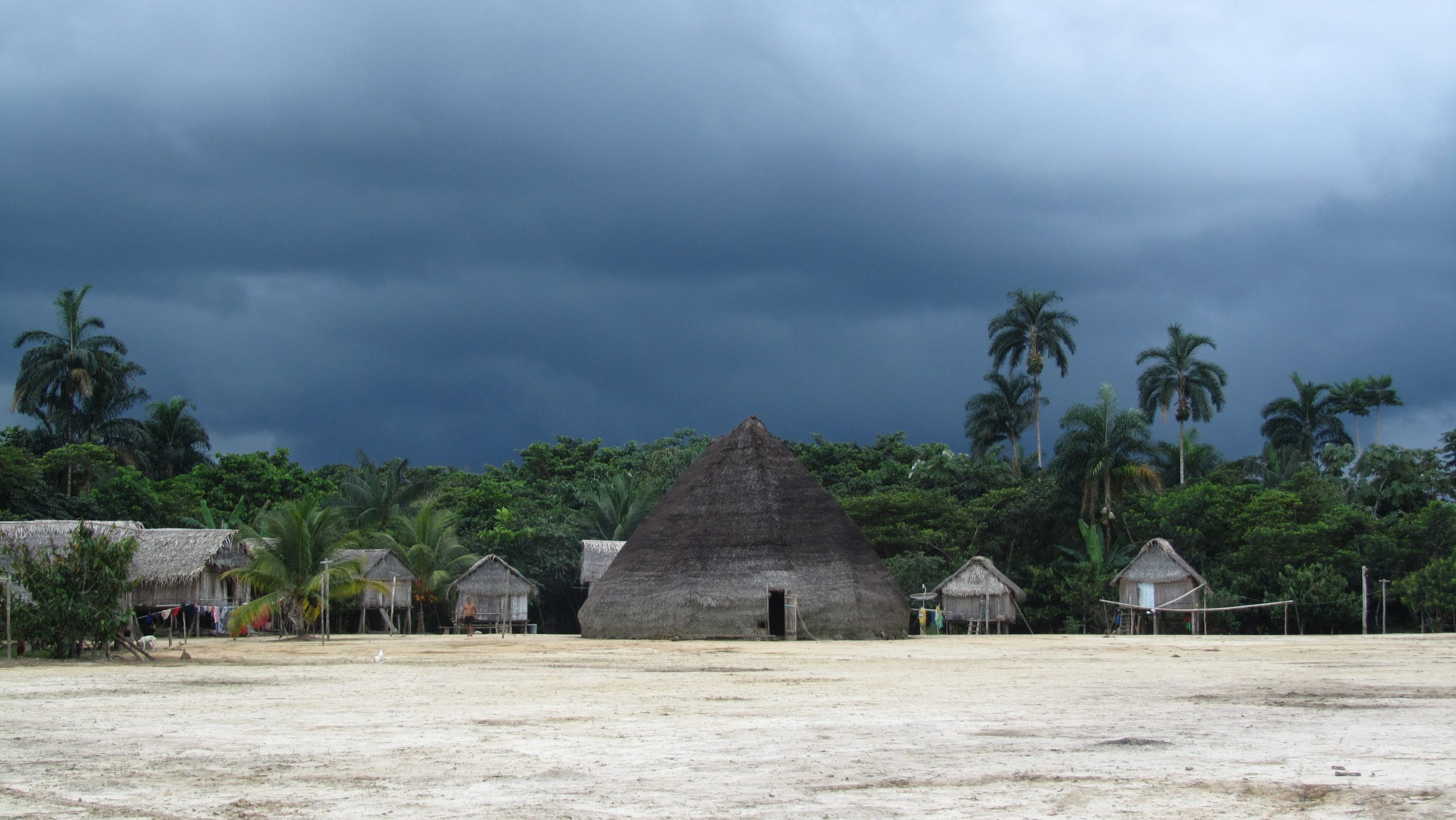
Supporting the development of specific, tailored Political-Pedagogical Projects for indigenous schools, promoting training courses and complementary workshops for indigenous teachers, as well as producing dedicated pedagogical resources, assisting the indigenous peoples of the Vale do Javari in securing their right to an intercultural, bilingual, and differentiated education. This pillar also supports the construction of malocas—which are vital spaces for transmitting traditional knowledge and ways of life—and implements an indigenous filmmakers program focused on documentation and audiovisual recording to pass down knowledge, thereby encouraging and strengthening intergenerational transmission.

OBJECTIVES
LINES OF ACTION
SCOPE
ETHNIC GROUPS
PARTNERS
PHOTOS
NEWS
GEOGRAPHICAL
SCOPE
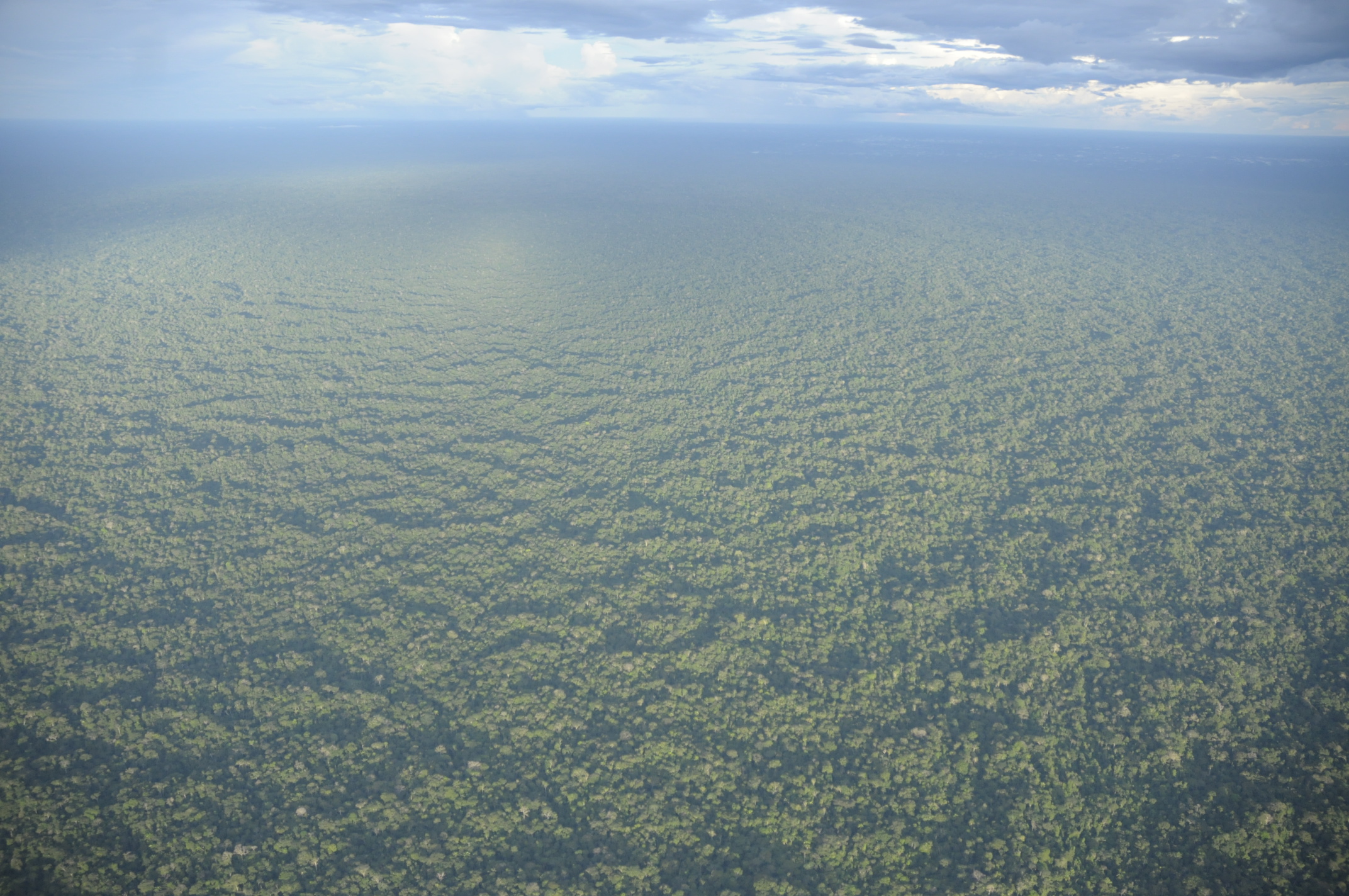
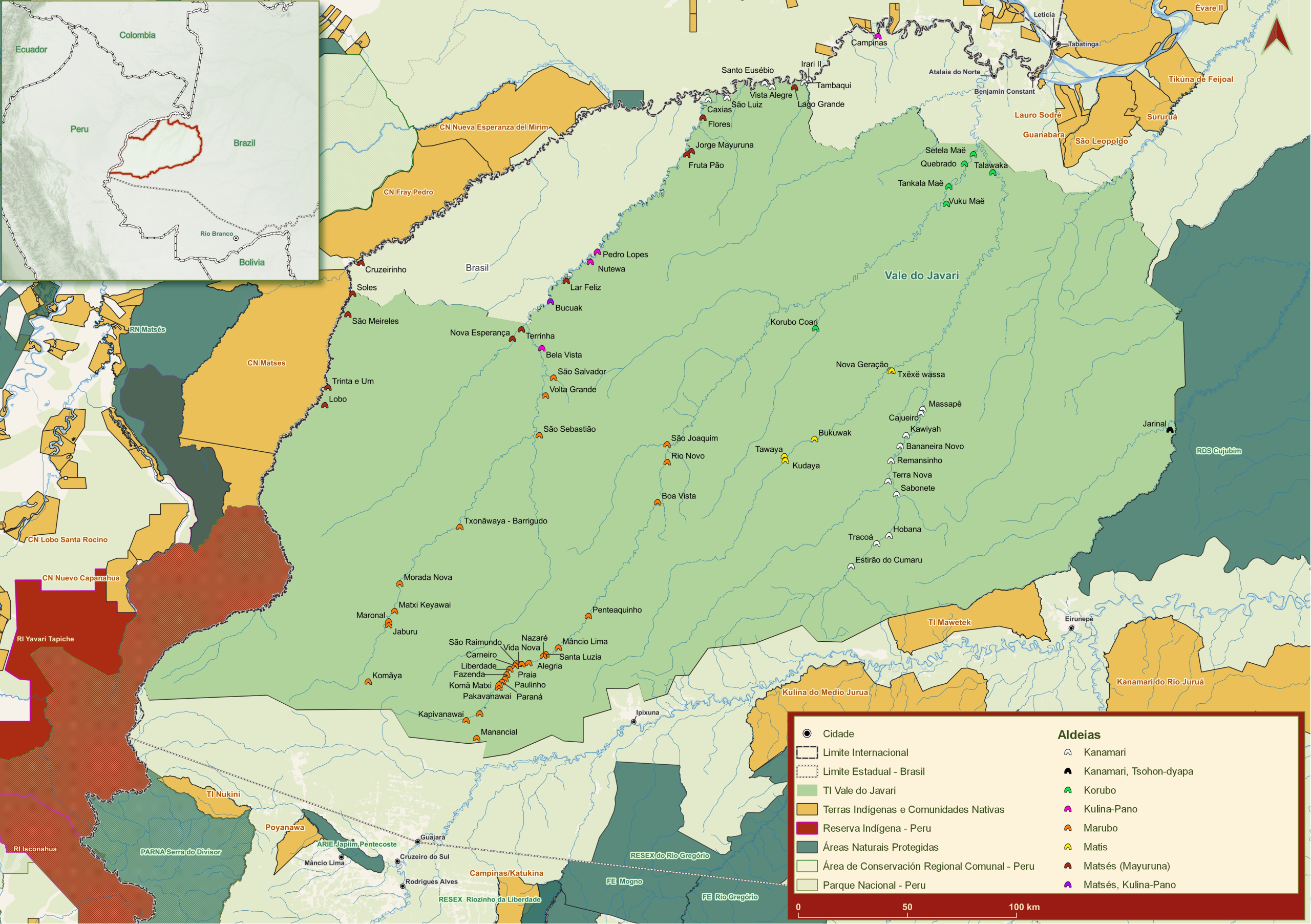
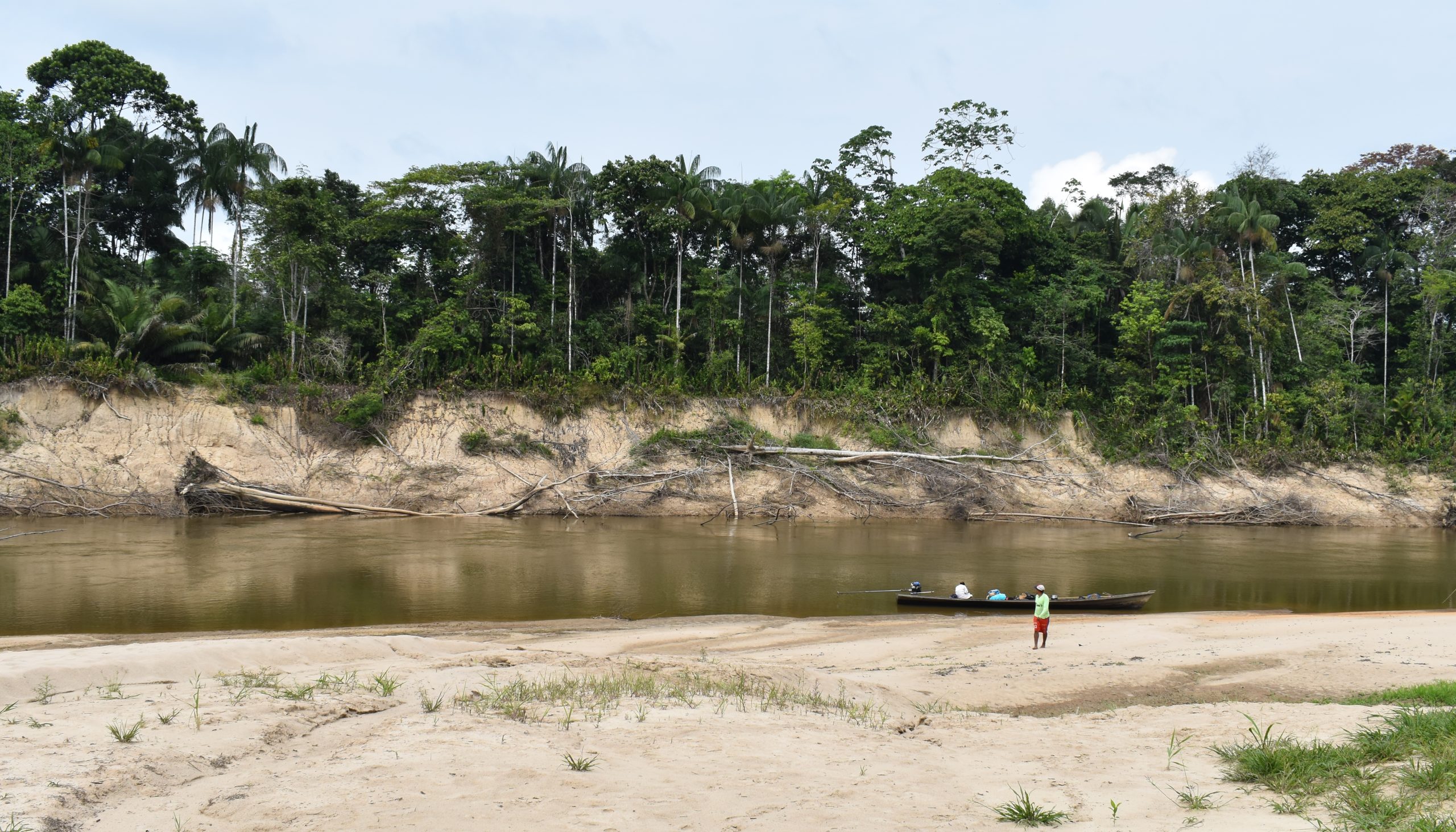
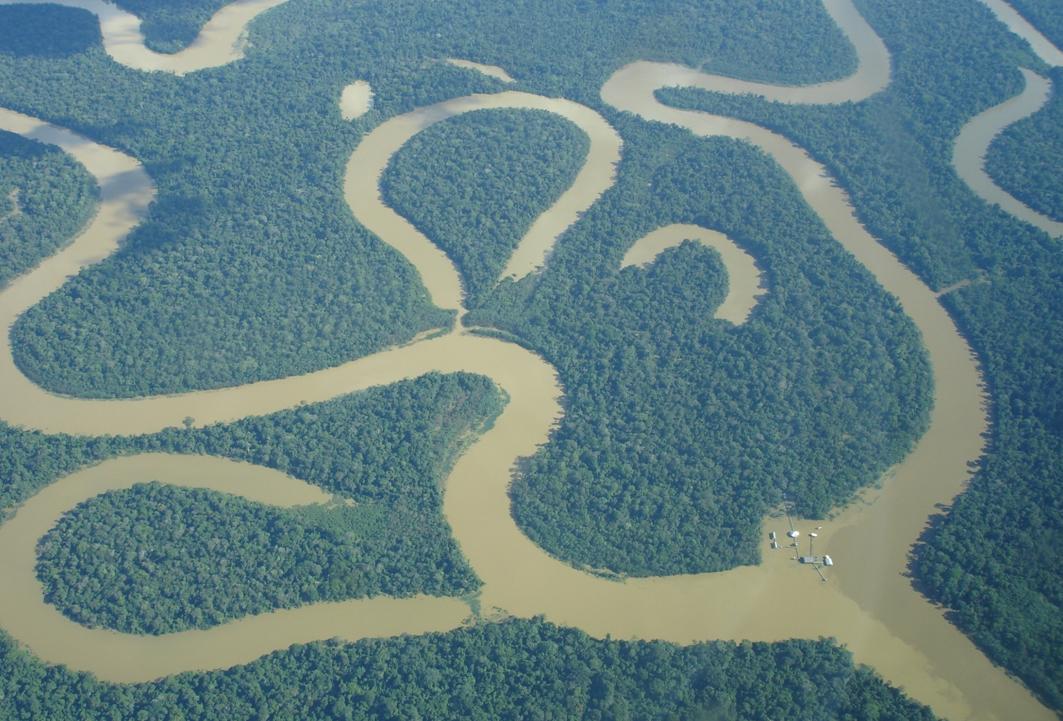
Located in the state of Amazonas and spanning over 8.5 million hectares, it is part of a 16.2-million-hectare binational corridor of protected areas along the Brazil-Peru border region. An area that features one of the highest biodiversity rates in the entire Amazon and one of the highest in the world.

OBJECTIVES
LINES OF ACTION
SCOPE
ETHNIC GROUPS
PARTNERS
PHOTOS
NEWS
ETHNIC GROUPS
The Vale do Javari Indigenous Land is territory of the Kanamari, Kulina-Pano, Marubo, Matis, and Matsés (Mayuruna) peoples, alongside the recently contacted Tyohom-dyapa and Korubo peoples. The Vale do Javari Indigenous Land also shelters the largest number of known isolated indigenous groups within a single indigenous land in Brazil.
Marubo People: The first in the region to make contact with non-indigenous people at the end of the 19th century. Today, they live in 26 villages along the banks of the Ituí and Curuçá rivers, with a population of approximately 1,565 people.
Mayuruna People: Also known as Matsés, this group gathers about 2.354 people across 13 villages along the Javari, Curuçá, and Pardo rivers, partly living on the Peruvian side of the Javari River. Missionary contact with the SIL occurred in 1969 in Peru, and official contact with Funai in Brazil took place in 1974.
Matis People: Contacted in the 1970s during preliminary actions for the construction of the Perimetral Norte highway. An epidemic drastically reduced their population, which dropped to just 85 people in 1983. Today, approximately 489 people live in 5 villages along the Branco River.
Kulina-Pano People: They currently live in three villages on the Curuçá River, totaling 93 people. In the late 1960s, they suffered from neighboring peoples’ attacks and contact with loggers, which drastically reduced their population and eroded parts of their culture.
Kanamari People: Belonging to the Katukina linguistic family, this people originally came from the Jutaí and Juruá rivers. Part of its population migrated to the Vale do Javari in 1940 to escape the impacts of incoming “rubber bosses.” Today, they live in 16 villages along the Itaquaí River and the middle course of the Javari River, totaling around 1,653 people.
Korubo People: Currently numbering around 150 people, they live in five villages along the Ituí and Coari rivers. Part of this people still lives in isolation, preserving their autonomy and way of life. The majority are now in a situation of “recent contact,” maintaining continuous relations with Funai many times between 1996 and 2019.
Tsohom-Dyapa: Inhabitants of the upper Jutaí River regions and areas adjacent to the Jandiatuba and Curuena rivers in the northwest of this indigenous land. This is the second recently contacted people of the Vale do Javari with a small population, estimated at approximately 50 people living in the Jarinal village.
Isolated Peoples: The Vale do Javari Indigenous Land concentrates approximately 36% of the confirmed records of isolated indigenous peoples in Brazil, according to official data from the Brazilian government, which is organized by the National Foundation for Indigenous Peoples (FUNAI) through the General Coordination of Isolated and Recently Contacted Indians (CGIIRC). Currently, there are confirmed records of at least 14 isolated groups in the region based on monitoring information carried out by FUNAI. These groups are extremely vulnerable, and their protection is a priority for the Brazilian government and for indigenous rights defense organizations like CTI.
OBJECTIVES
LINES OF ACTION
SCOPE
ETHNIC GROUPS
PARTNERS
PHOTOS
NEWS
PARTNER
INDIGENOUS
ORGANIZATIONS
Local Indigenous Organizations: UNIVAJA (União dos Povos Indígenas do Vale do Javari), OAMI (Organização das Aldeias Marubo do Rio Ituí), AIMA (Assediting Associação Indígena Matis), OGM (Organização Geral Mayuruna), AKAVAJA (Associação Kanamari do Vale do Javari), ASDEC (Associação de Desenvolvimento Comunitário do Povo Indígena Marubo do Rio Curuçá), AMAS (Associação Marubo de São Sebastião), AMAJA (Associação dos Matsés do Alto Jaquirana), AIKUVAJA (Associação Iba Kulina do Vale do Javari), and COPEAKA (Cooperativa de Preservação Etnoambiental Autônoma dos Kanamari).
LOCAL PARTNER
ORGANIZATIONS
The Javari Program operates in partnership with Funai, the Indigenist Missionary Council (CIMI), and the Observatory for Isolated and Recently Contacted Indigenous Peoples (OPI).
SUPPORTERS
The Javari Program is supported by DKA Austria, Manos Unidas, Misereor, and Rainforest Norway.
PHOTOGRAPHS

OBJECTIVES
LINES OF ACTION
SCOPE
ETHNIC GROUPS
PARTNERS
PHOTOS
NEWS




OBJECTIVES
LINES OF ACTION
SCOPE
ETHNIC GROUPS
PARTNERS
PHOTOS
NEWS
NEWS
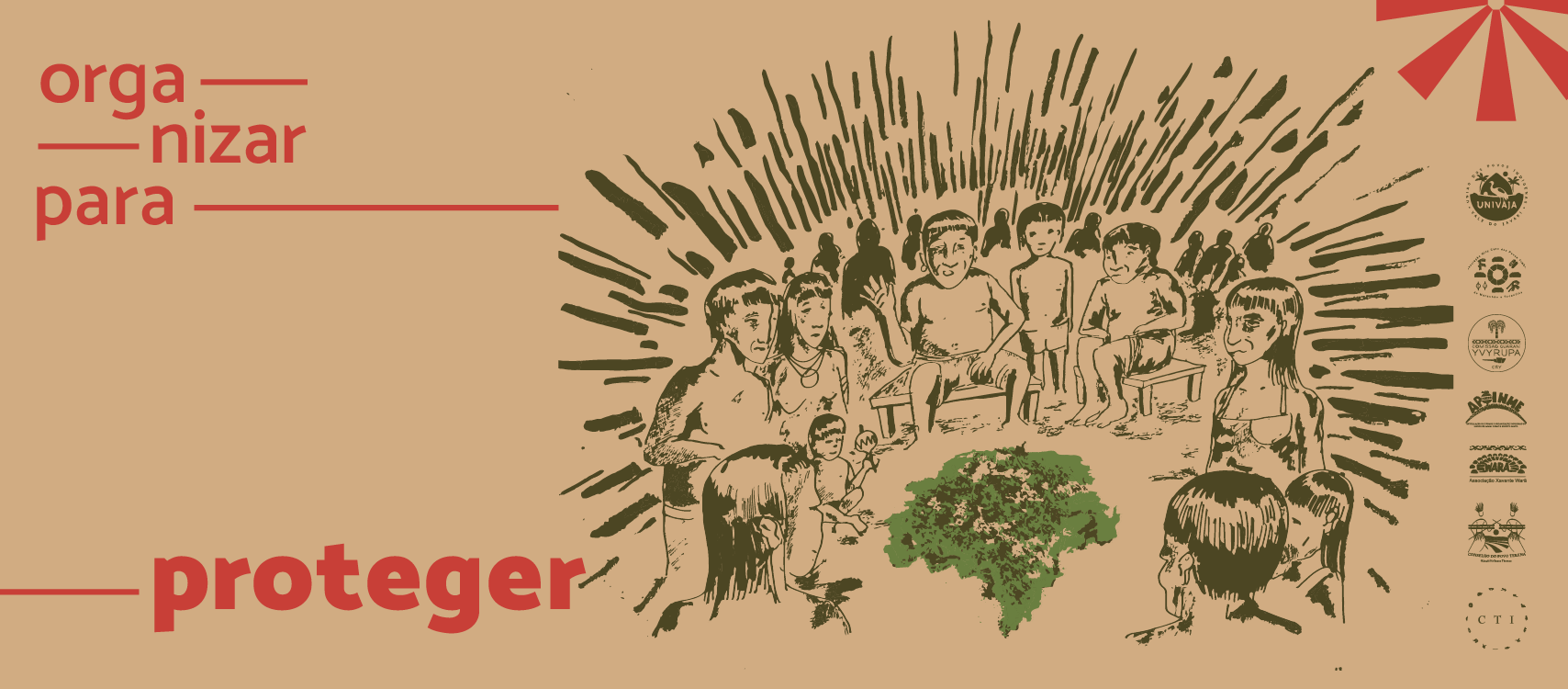
Organize To Protect is the Indigenous plan to contain the destruction of Brazilian biomes
Campaign shows the work of six Indigenous organizations across all Brazil’s biomes